Australian Opals
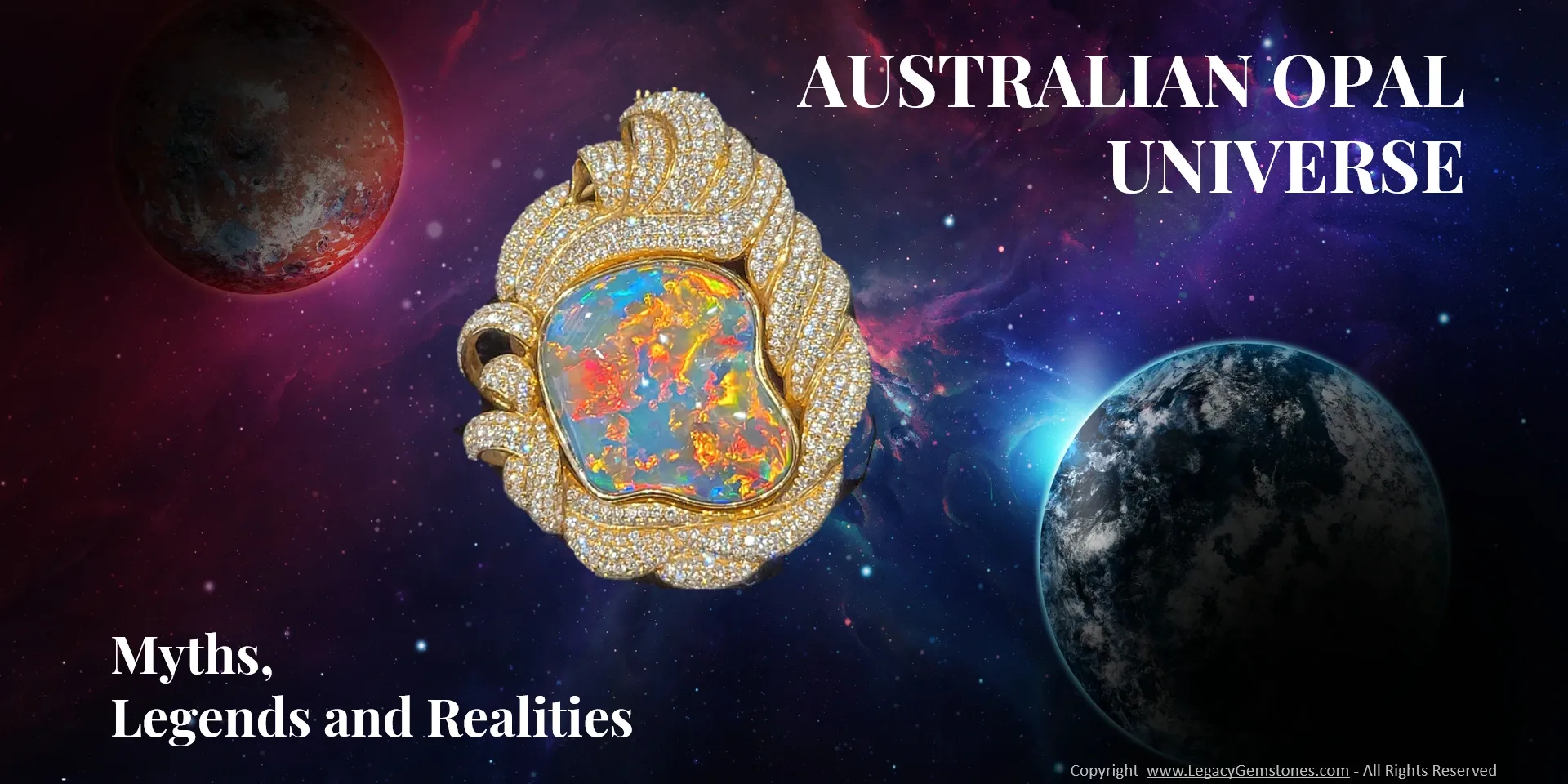
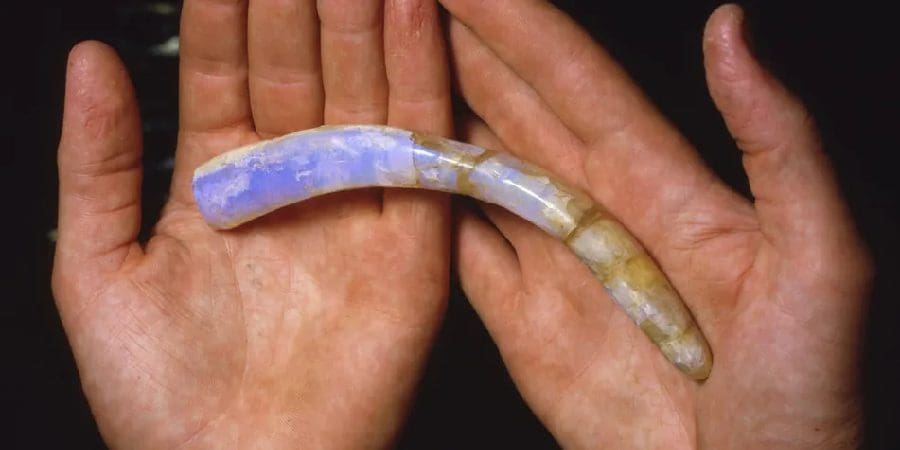
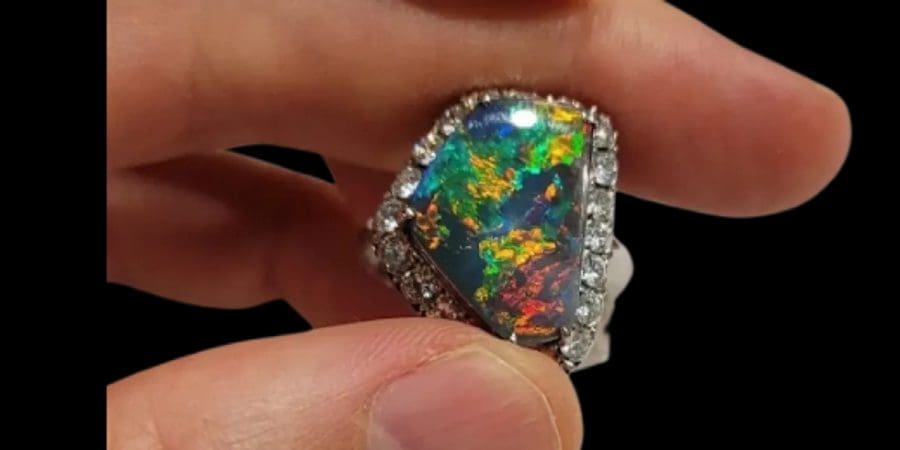
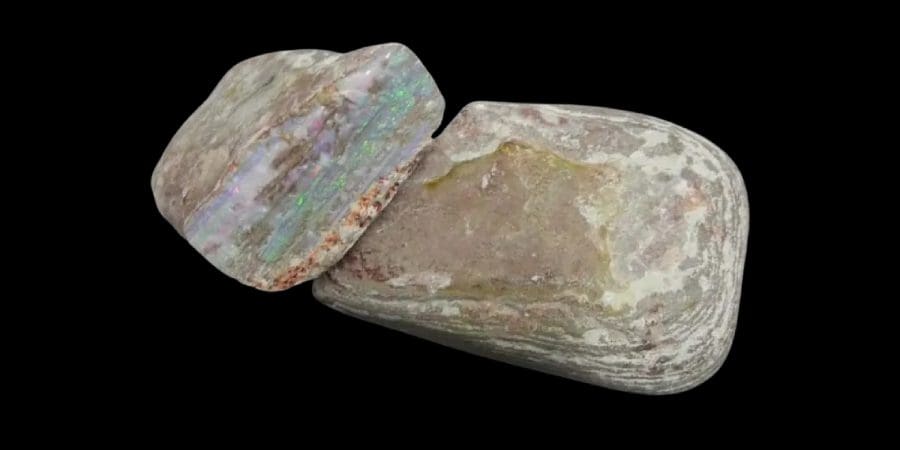
FORMATION OF PRECIOUS OPALS - WHAT MAKES AUSTRALIAN OPAL A PRECIOUS GEMSTONE
Opal is the product of seasonal rains that drench dry ground in regions such as Australia’s semidesert “outback.” The showers soaked deep into the ancient underground rock, carrying dissolved silica (a compound of silicon and oxygen) downward.
During dry periods, much of the water evaporated, leaving solid deposits of silica in the cracks and between the layers of underground sedimentary rock. The silica deposits formed opal.
When this silica is deposited slowly under the right circumstances, it forms tiny, microscopic balls. When these balls compact and harden, they form opal. A considerable percentage of this opal is called common opal or potch.
Common opal is truly commonplace and is found across the globe. Unlike gem-quality opals, common opal does not exhibit the characteristic flashes of colored light.
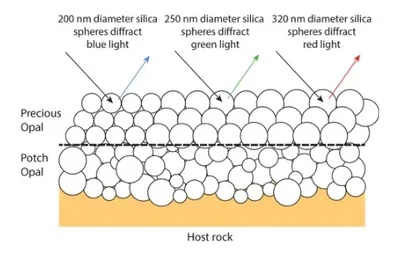
A remarkable transformation occurs when the minute silica spheres arrange themselves into a regular lattice structure. Light that penetrates the opal is reflected back from the stone through a phenomenon known as diffraction. The silica spheres disperse the light into a spectrum of rainbow hues.
When this phenomenon occurs, the opal is described as exhibiting a play of color or fire. Only stones that display this fire are classified as gem or precious opals.
HOW TO EVALUATE AUSTRALIAN OPALS
The most important factors are:
- What Type (Natural & Synthetic & Reconstructed)
- The Base Color (White, Crystal, Boulder, Black)
- The Brightness (color spectrum, Intensity, Distribution)
- The Weight (varies for every type of opal)
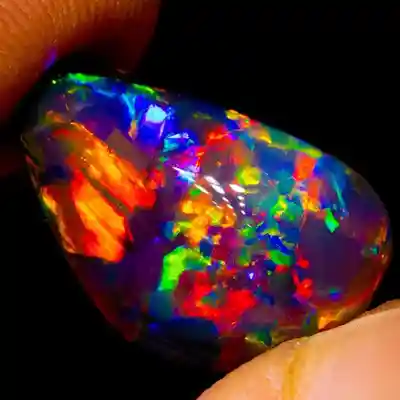
The assessment of precious opal should be conducted under controlled lighting conditions against a dark background. Rotating the opal relative to the background facilitates the determination of its type and aids in evaluating its play of color and cut.
LESS VALUABLE TYPES OF OPAL
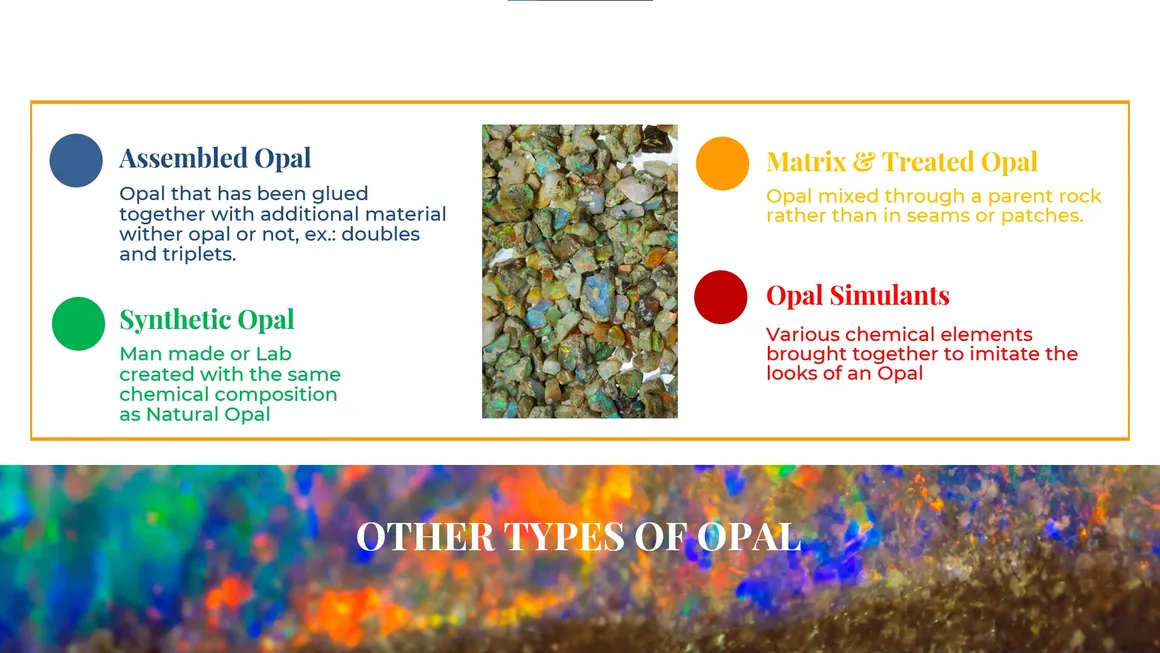
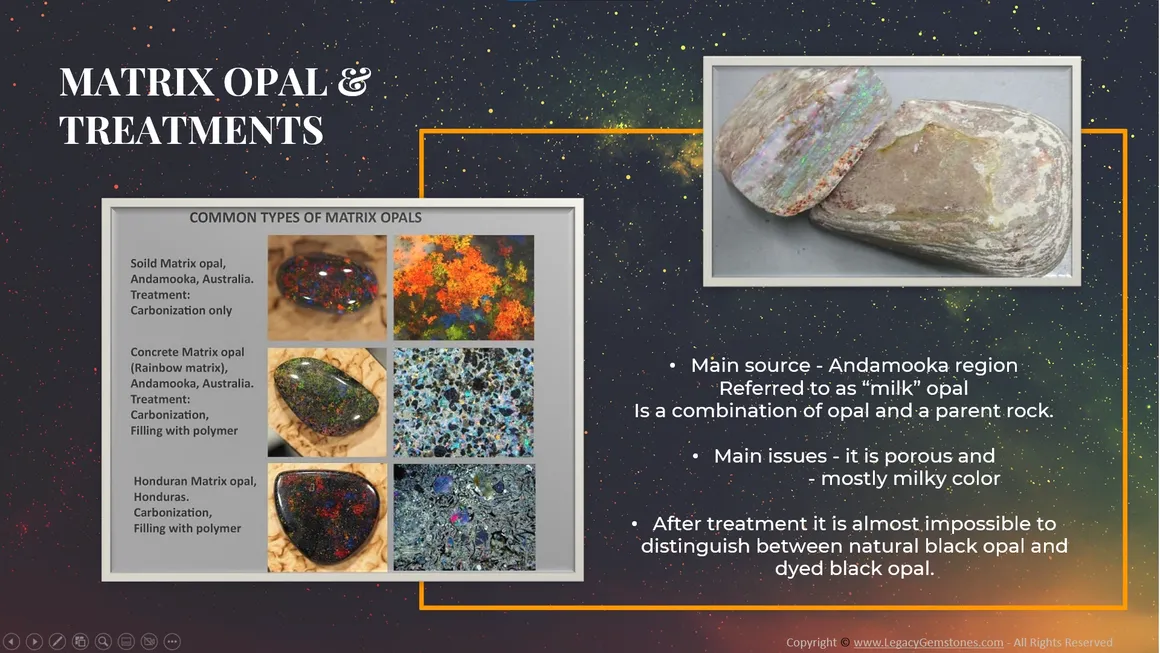
OPAL TREATMENTS & SYNTHETICS & ASSEMBLED
Assembled Opal - Altered Opals have no intrinsic & Legacy value
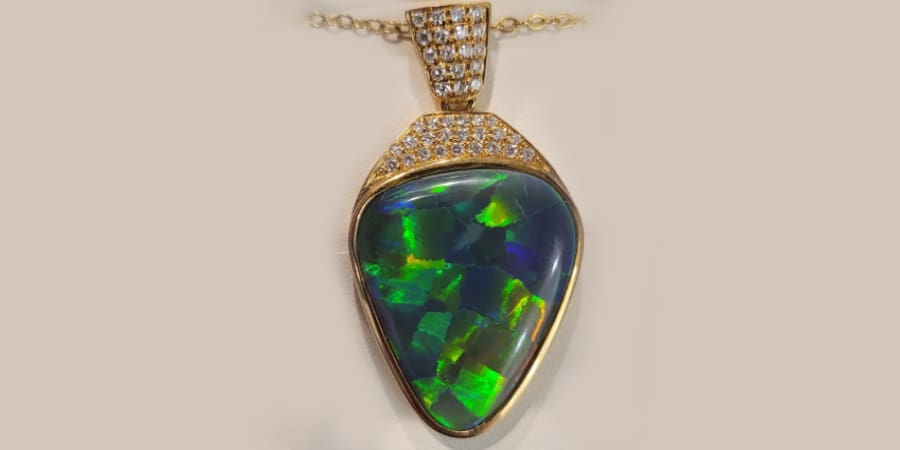
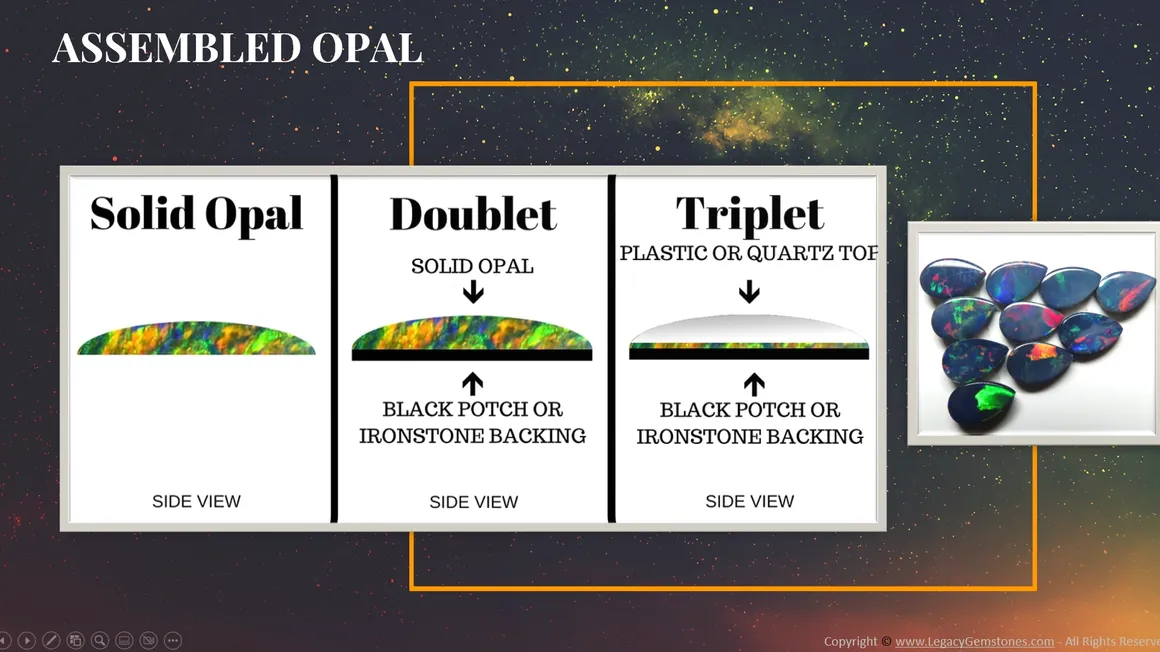
Australian opal can be fragile. In solid opal cabochons, the gemstone material is typically sufficiently thick to endure everyday wear and jewellery repairs without fracturing. Manufacturers frequently reinforce with a rigid backing to enhance durability when using thinner material.
Assembled opals are crafted opals equipped with backings. These may include materials such as glass, which are not typically incorporated into gem-quality jewellery; nonetheless, due to their partial composition of precious opal, they retain gemstone value. They are priced at only a fraction of boulder opals, yet enable manufacturers to produce appealing finished gemstones from thin opal segments.
The two prevalent types of assembled opal are the opal doublet and triplet. The doublet comprises a thin layer of opal bonded to a backing, which is frequently made of ironstone, obsidian, dyed black chalcedony, black glass, natural common opal, or plastic. The triplet consists of a thin layer of opal sandwiched between a domed top of colorless quartz or clear glass and a backing of ironstone, obsidian, chalcedony, or black glass.
AUSTRALIAN OPALS - COLLECTORS GALLERY
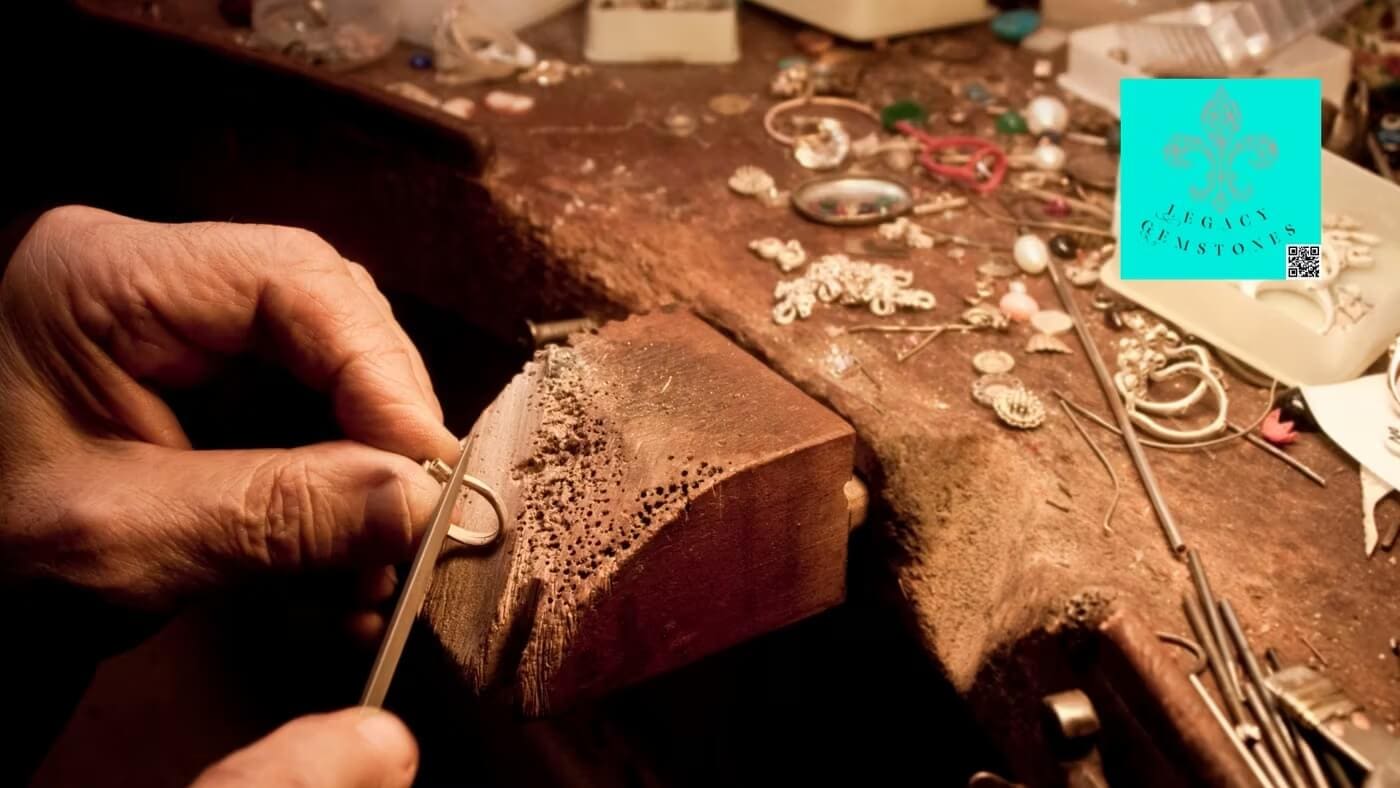
"sydney night life" 18.50 CT AUSTRALIAN BLACK crystal OPAL
Ring - Australian Black Crystal Opal
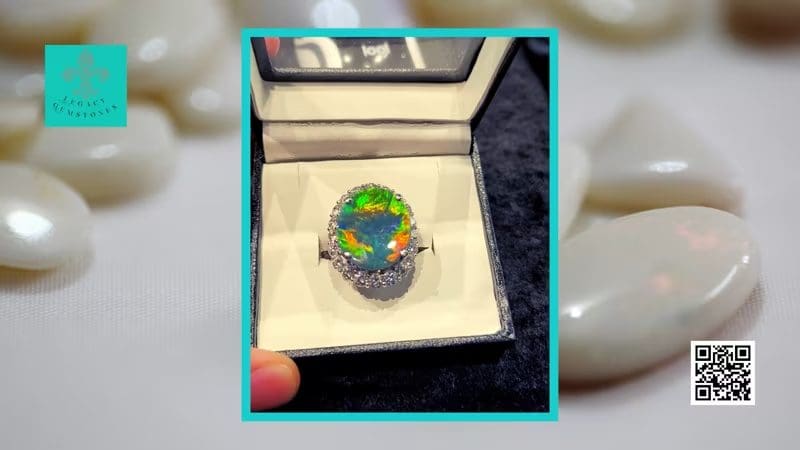
Highly sought-after 15.46 CT Australian Black Opal - BLUE-RED Multicoloured
Australian Black Opal - One of a Kind - Exceptional Quality Ring
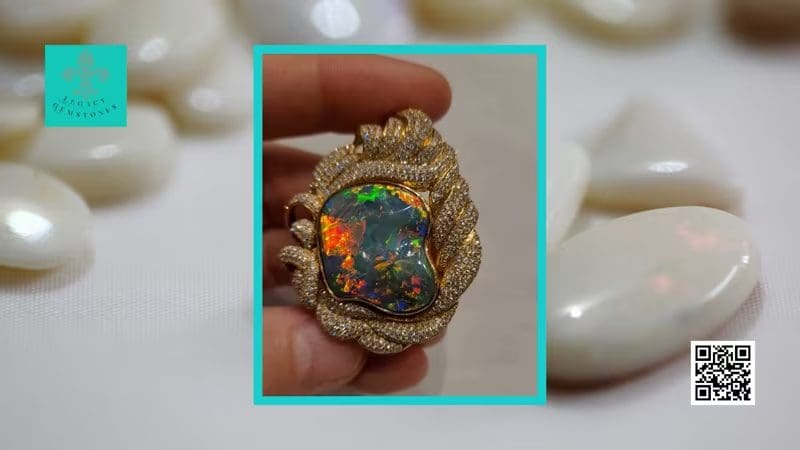
Once in a life time "Africa" a 17.20 CT exceptional AUSTRALIAN BLACK OPAL
Australian Black Opal - One of a Kind
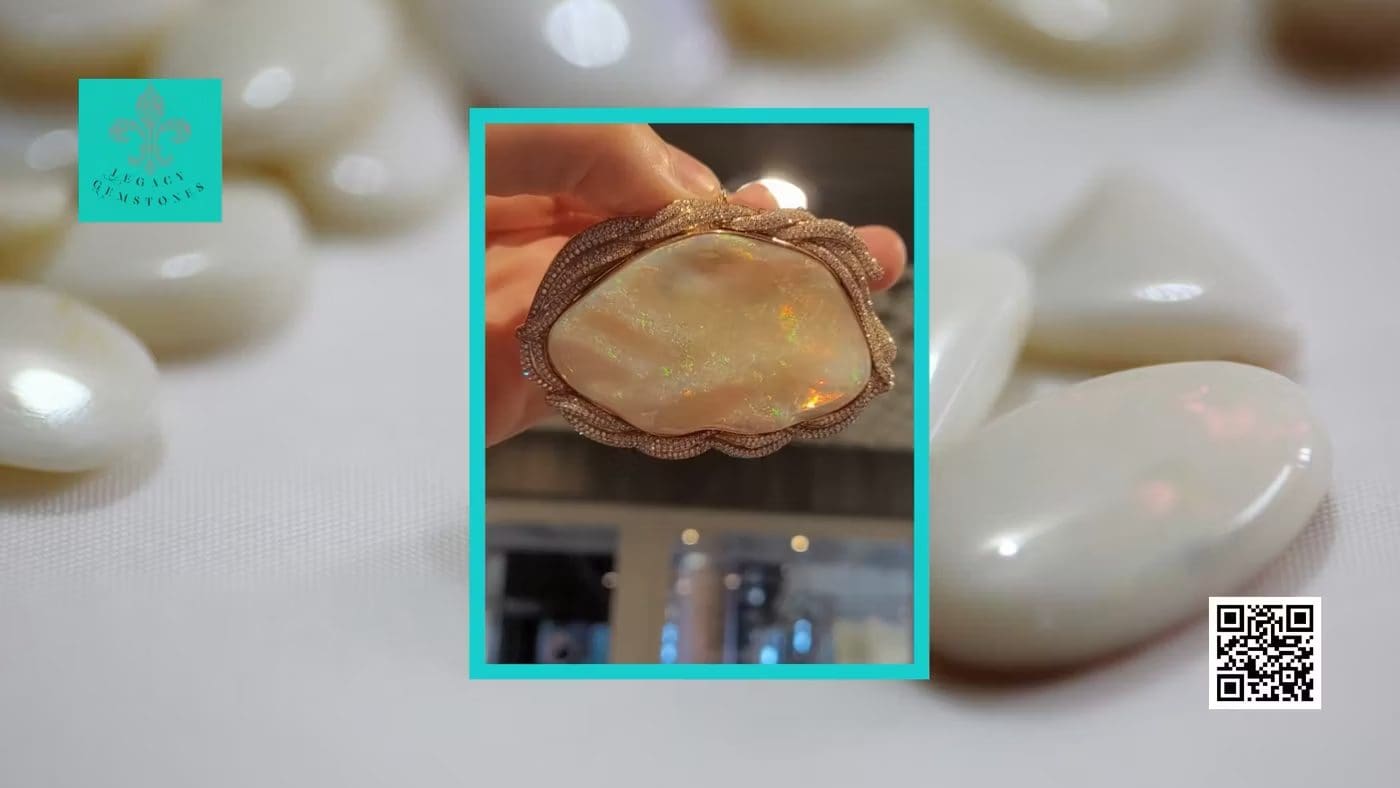
Very Big and Exquisitely transparent 86.00 CT AUSTRALIAN CRYSTAL OPAL
Australian Crystal Opal - Collectable Extreme Size